The blog

Read our latest articles

Practical, build-tested notes on n8n, AI agents, Cloudflare and content automation — from diagnosis to production.
Featured article
concept-explainer

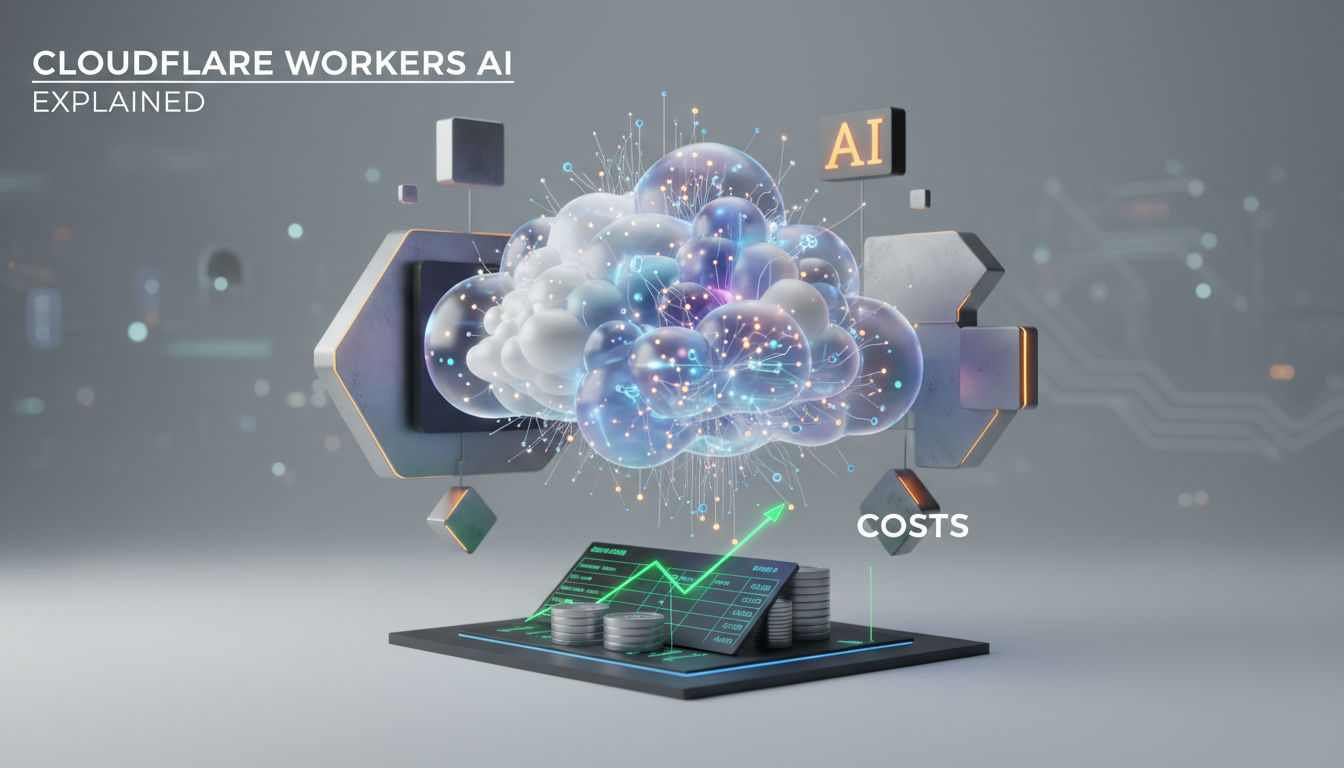
Cloudflare Workers AI Explained: What It Is, What It Costs

Cloudflare Workers AI is a serverless GPU inference platform on Cloudflare's global network that runs a curated catalog of 50+ open-source models via Worker bindings. Billing uses Neurons, not tokens, with per-model rates like 2457 neurons per million input tokens for Llama 3.2 1B Instruct and higher cost for larger models. The catalog covers LLMs, embeddings from 384 to 1024 dimensions, 12-billion-parameter image models like FLUX.1 schnell, and speech models including Whisper for transcription. Workers AI is built for bounded edge tasks such as classification, embeddings, and short transcription, not as a drop-in replacement for frontier APIs or custom weight hosting. Fine-tuning is limited to LoRA adapters in open beta with 100MB size cap, max rank 8, limit of 30 per account, and no support for quantized LoRAs.

October 19, 2026
·
12
min
Read article →
Featured article
comparison-table

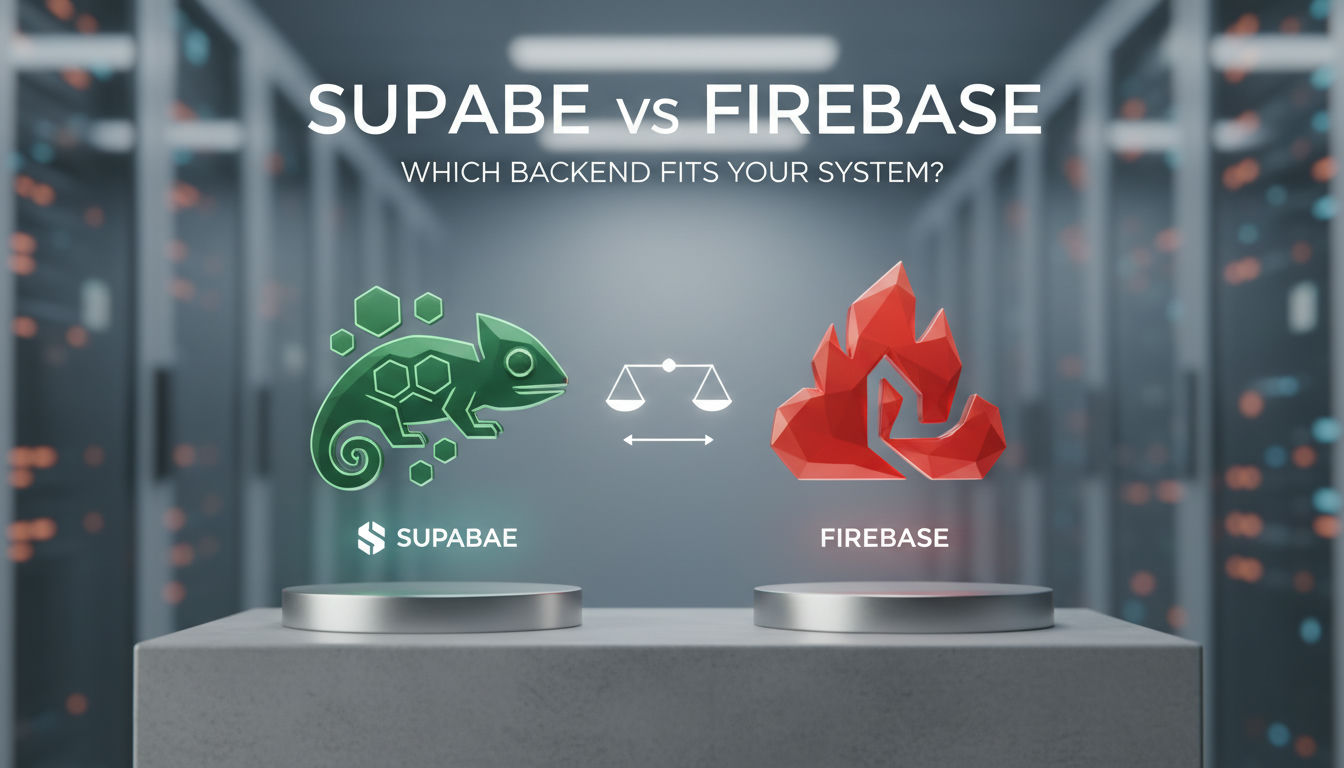
Supabase vs Firebase: Which Backend Fits Your System?

Supabase is an open-source backend built on full Postgres with SQL, joins, and ACID transactions, while Firebase is Google's managed NoSQL platform centered on Firestore document collections. Supabase supports self-hosting via Docker and standard Postgres ownership with pg_dump portability, whereas Firebase runs only on Google infrastructure with emulator but no production self-host. Security differs fundamentally: Supabase enforces Row Level Security inside Postgres as row filters, while Firebase enforces path-matching Security Rules at the service layer before data reaches clients. Supabase includes pgvector for native vector similarity search in Postgres tables, enabling single-query RAG, while Firebase requires pairing Firestore with an external service like Vertex AI Vector Search. Resource-based flat tiers at Supabase scale more predictably for steady high-volume reads than Firebase per-operation billing, which suits spiky low-read mobile workloads better.

October 17, 2026
·
10
min
Read article →
Featured article
use-case

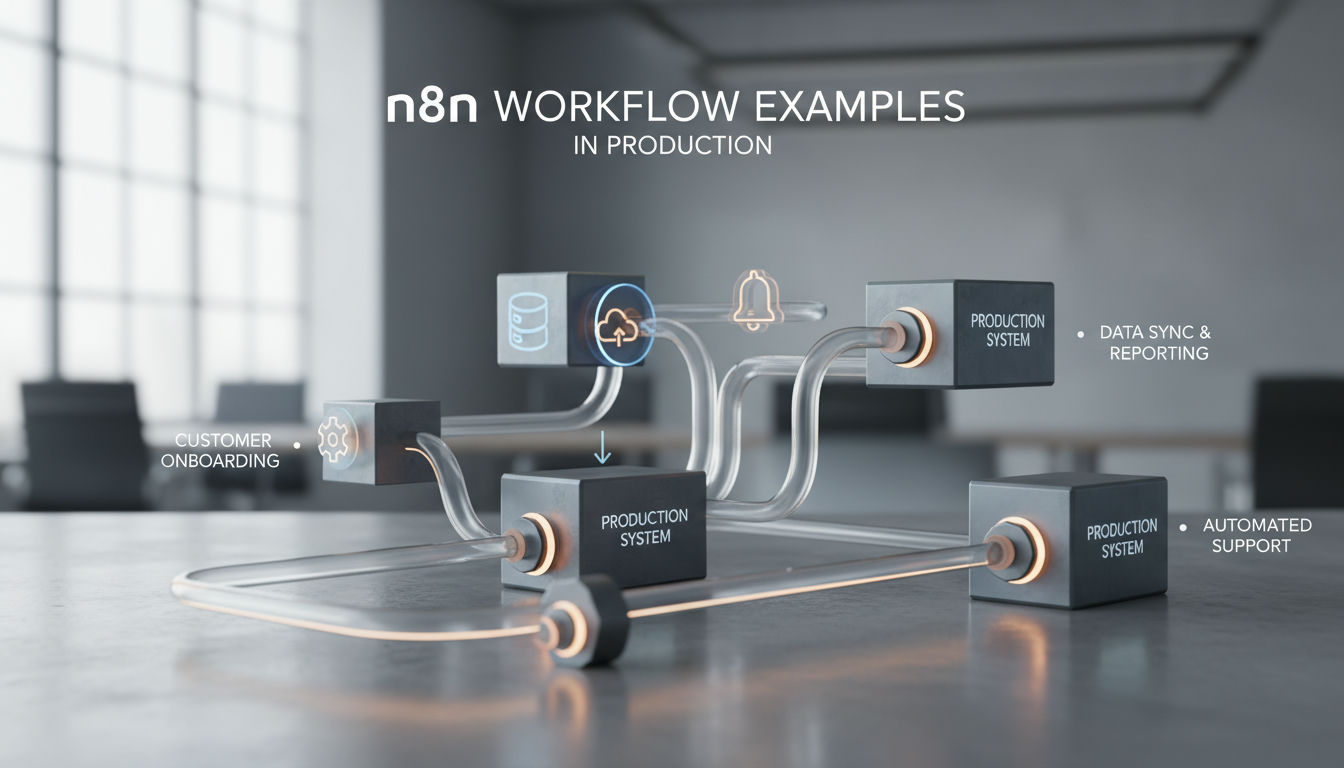
N8n Workflow Examples That Hold Up in Production

A production-ready n8n workflow pairs explicit triggers and transforms with error handling, retries, and a human review checkpoint before any money moves or content publishes. The n8n library lists 13300 automation templates, including 1260 for document extraction, but most templates stop after extraction and need added validation and deduplication. The RSS to blog pattern fetches content from RSS feeds, formatting, storing, reviewing, templating, and publishing to LinkedIn and WordPress with a Pending, Approved, Rejected review cycle. Research automation starts from a Form collecting domain, keywords and target language, then generates queries, fetches results, and writes sections into a clean Markdown article. Reliable CRM, Webflow and WordPress sync uses a lookup by email or item ID, Merge and IF branching for create versus update, and an idempotency key in Postgres or Supabase.

October 16, 2026
·
9
min
Read article →
Featured article
concept-explainer

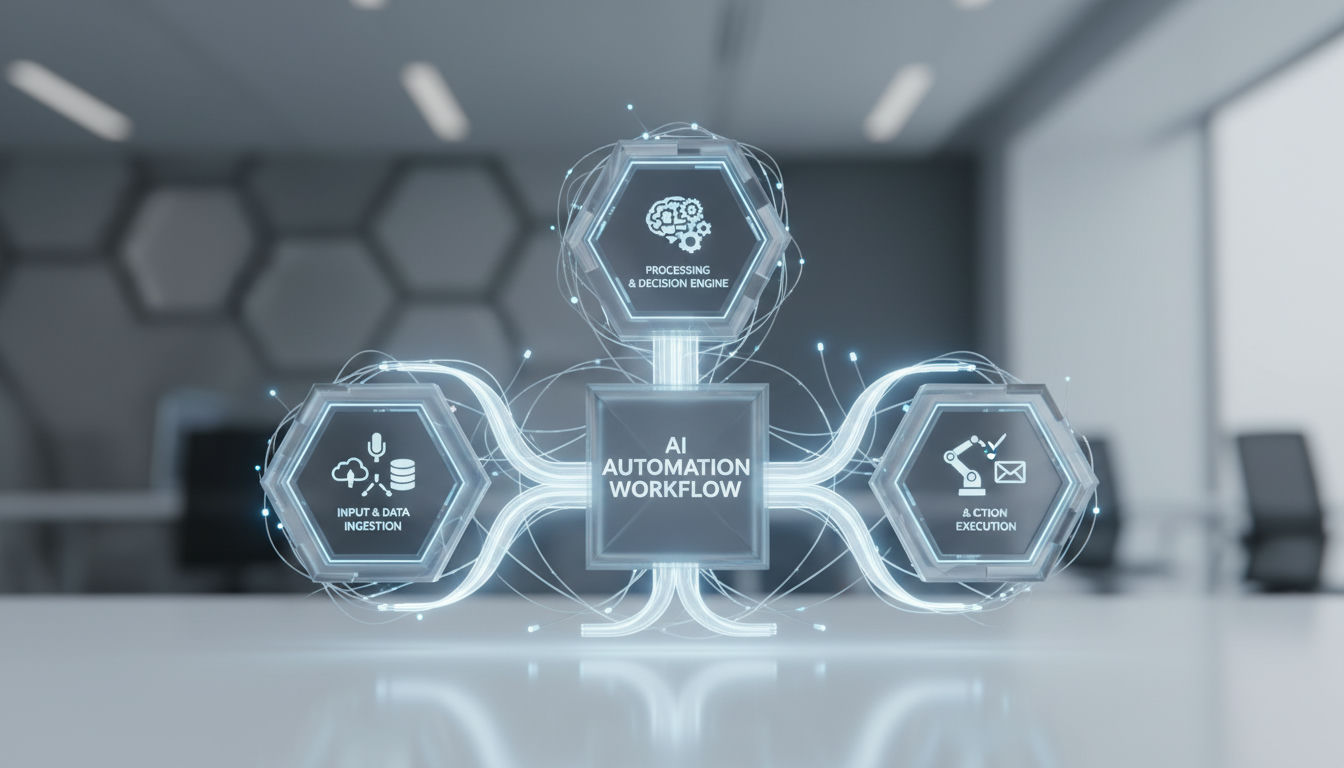
AI Automation Workflow: The Architecture That Actually Works

An AI automation workflow is trigger plus AI reasoning for unstructured input plus action layer plus human checkpoints before irreversible steps. Default to deterministic rules for structured, verifiable outcomes; reserve AI agents that decide which tools to call for ambiguous language and variable formats. Place human-in-the-loop gates before any irreversible action and after low-confidence output, with audit trails required to maintain regulatory and legal compliance. Handle failures with typed exceptions and bounded retries for transient errors; define a dead-letter queue in consumer config to capture messages that reach the retry limit. n8n offers two deployment options, Cloud fully-managed and self-hosted Community edition with almost complete feature set, while Make runs managed SaaS on AWS with credit-based pricing.

October 6, 2026
·
10
min
Read article →
Featured article
comparison-table

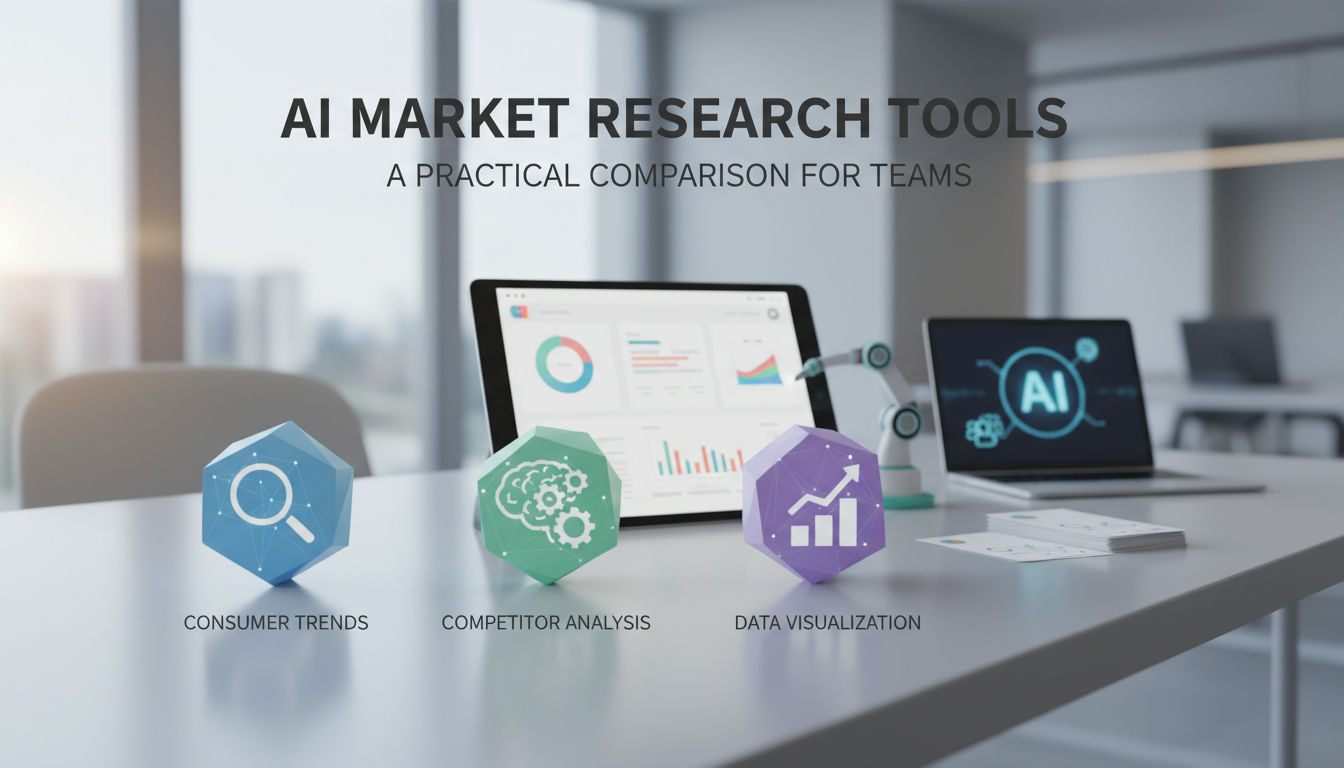
AI Market Research Tools: A Practical Comparison for Teams

AI market research tools split into qualitative AI-moderated interviews, quantitative automation, desk research and competitive intelligence, and social listening with different evidence trails. Perspective AI lists $99 per month for 1,000 credits, while third-party comparisons place Outset and Listen Labs around $20K annually plus usage and panel fees. AI hallucinations are grammatically fluent and plausible outputs unsupported by input data and occur at a non-zero baseline rate, appearing credible due to fluency and authoritative tone. Highest hallucination risk sits with quote extraction, thematic coding, sentiment classification, and long-transcript summary; require exact transcript location citations and spot-checks. A repeatable pipeline uses webhooks and n8n to write respondent_id, verbatim_text, theme_code, and reviewer status into Postgres or Supabase before syncing to a CMS.

October 5, 2026
·
10
min
Read article →
Featured article
concept-explainer

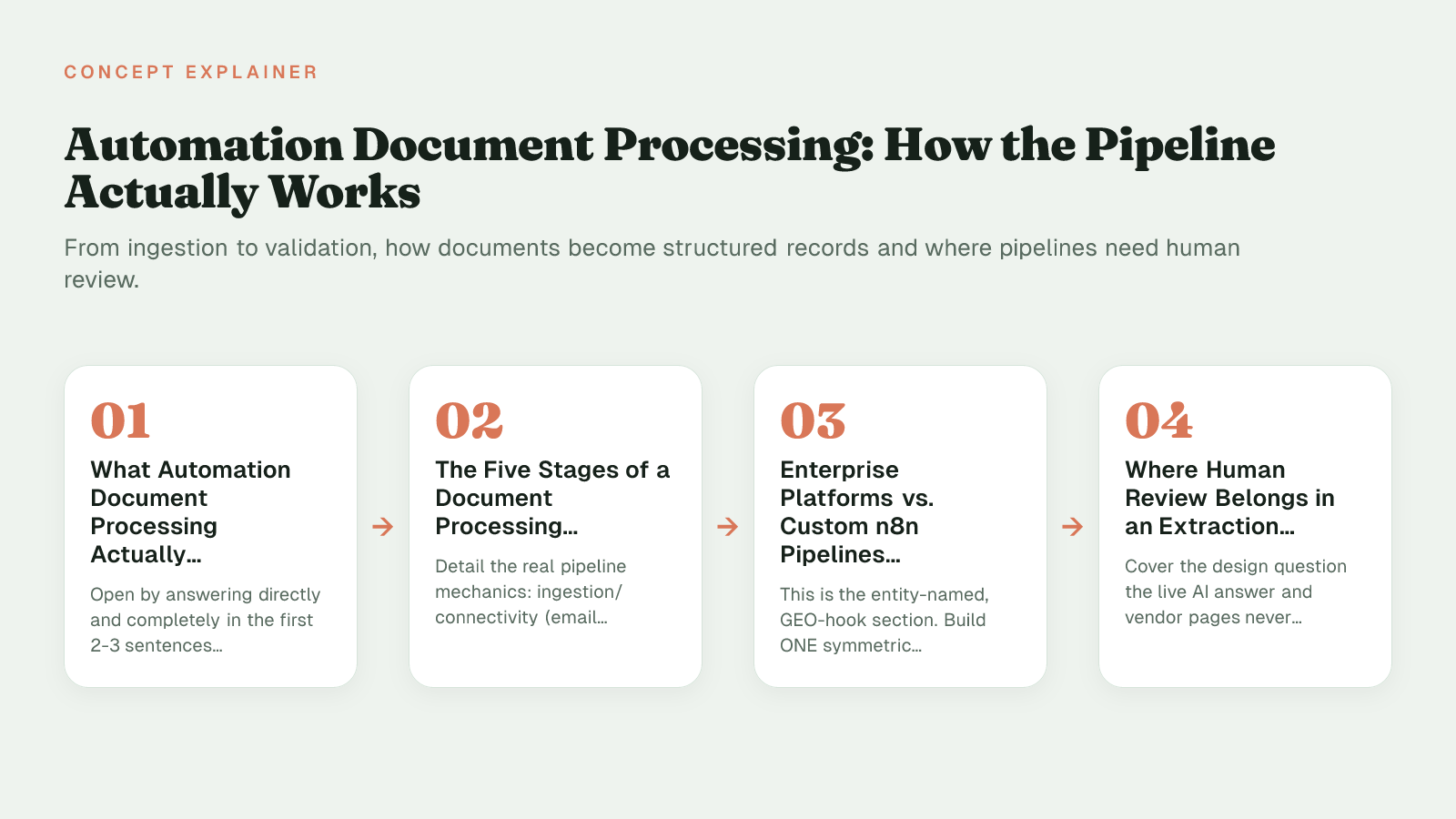
Automation Document Processing: How the Pipeline Actually Works

Automation document processing turns unstructured PDFs, scans and emails into structured records using ingestion, OCR, classification, extraction and validation before loading. Tesseract works best with at least 300 dpi input and does binarisation internally using the Otsu algorithm, but certain noise it cannot remove still drops accuracy. Enterprise IDP platforms charge per-user and consumption like Platform Units, while custom n8n pipelines trade fixed-price builds and direct Postgres control for self-managed maintenance. Human review checkpoints are decision gates that quarantine low-confidence parses for manual validation before commit, recommended when you need 100 percent accuracy on extracted data. Total cost of ownership for document automation includes more than software and salaries, covering integration, data prep, exception handling and planning for at least two product cycles.

October 3, 2026
·
9
min
Read article →